Photographing Sabor on Allure of the Seas for Designer Robert Soldo
A fast-moving cruise ship photography production with a tight schedule, a small design team, active passenger flow, working crew logistics, and the need to deliver polished overall views, contextual images, and detail photography without missing a beat.
Cruise ship photography under real pressure
Cruise ship interior design photography is different from almost any other hospitality shoot. The spaces are active, the schedules are tight, and the production has to fit inside a much larger machine that is already moving. On a ship, you are working around guests, crew operations, service timing, access restrictions, and the realities of boarding and disembarking while the vessel is in port or continuing the assignment while at sea.
This is exactly where experience matters. Over many years of working on cruise ships, the process becomes second nature: how to get on and off efficiently, how to work mornings, nights, and compressed schedule windows, and how to stay slick and professional while still keeping the crew, the designers, and even nearby passengers comfortable with what is happening.
For this Sabor project, the challenge was not just speed. It was maintaining quality while moving quickly. That meant staying attentive to the design, the lighting, the staging, the passenger experience, and the practical rhythm of the ship all at once.


Hero shots are essential, but so are the supporting images
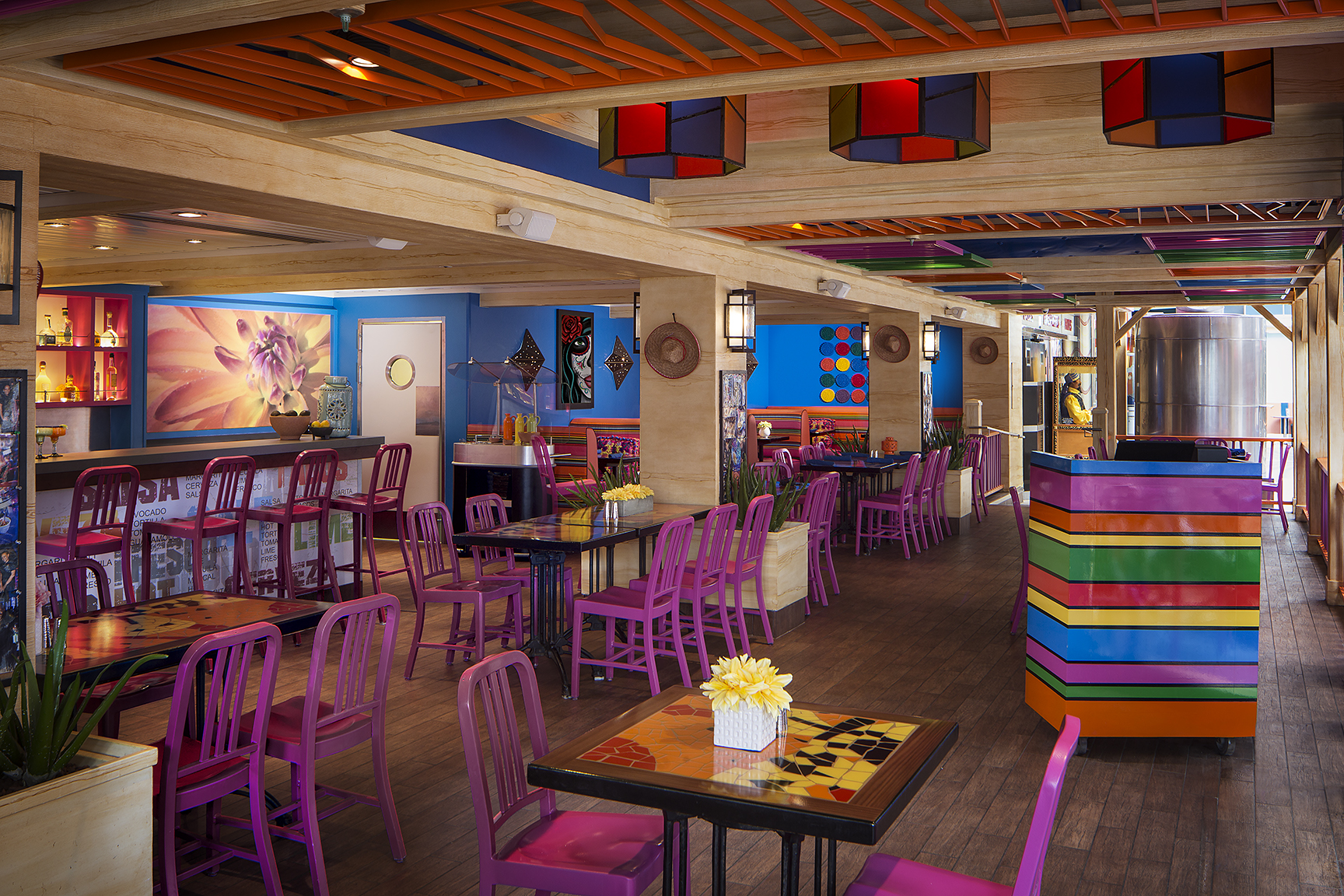
For designers, the overall shots matter. They establish the big idea. But the usefulness of a hospitality photography shoot expands dramatically when the coverage also includes secondary angles, environmental context, detail photography, and selective close-ups. That is especially true in the cruise industry, where projects often need to communicate not just the room itself, but how the venue lives inside the ship and contributes to the broader guest experience.
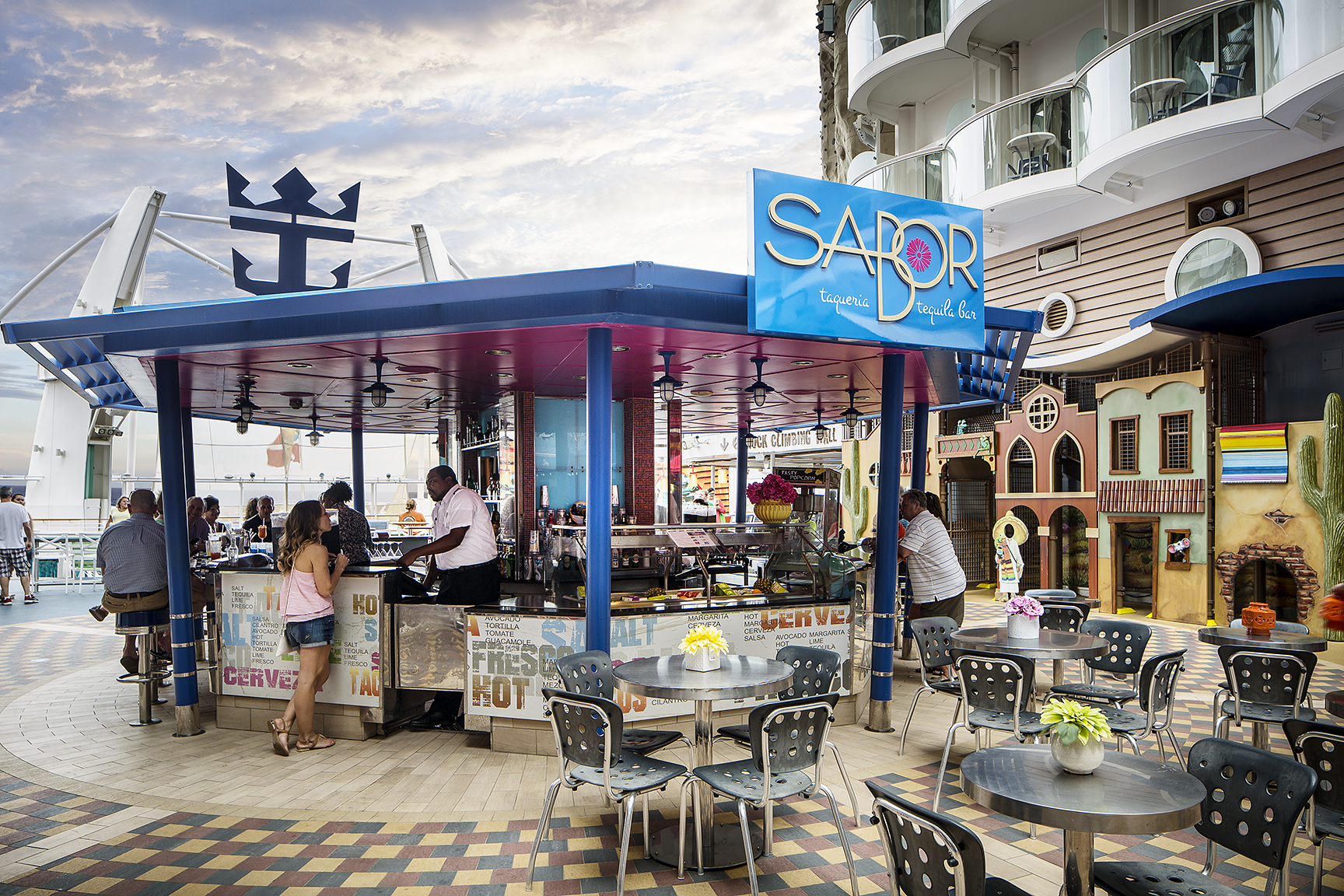
On this shoot, the goal was to build a full visual toolkit. That meant wide interiors, views of the venue from the Boardwalk, contextual shots showing how the restaurant sits within the scale of Allure of the Seas, and detail images that help a designer present craft, color, material, and mood.
That layered approach is what makes the imagery more valuable over time. It gives cruise industry clients, designers, and marketing teams more ways to use the work across presentations, portfolios, publicity, and internal documentation.
Working with passengers and crew professionally
It would be easy to act as though the shoot takes priority over everything else, but that is the wrong mindset on a cruise ship. The ship is operating. The guests are on vacation. The crew is working on a schedule. The photographer has to fit into that world rather than expect the ship to stop for the photographs.
That means staying aware of who is waiting, where people need to move, when workers need access, and how long a shot can realistically take. It also means making the experience lighter for everyone involved. If passengers are affected by the shoot, the tone matters. Keeping it eventful, friendly, and fun is part of staying professional.
In the end, that is part of the job too. On a ship, you temporarily become part of the crew.



Details make the story more useful
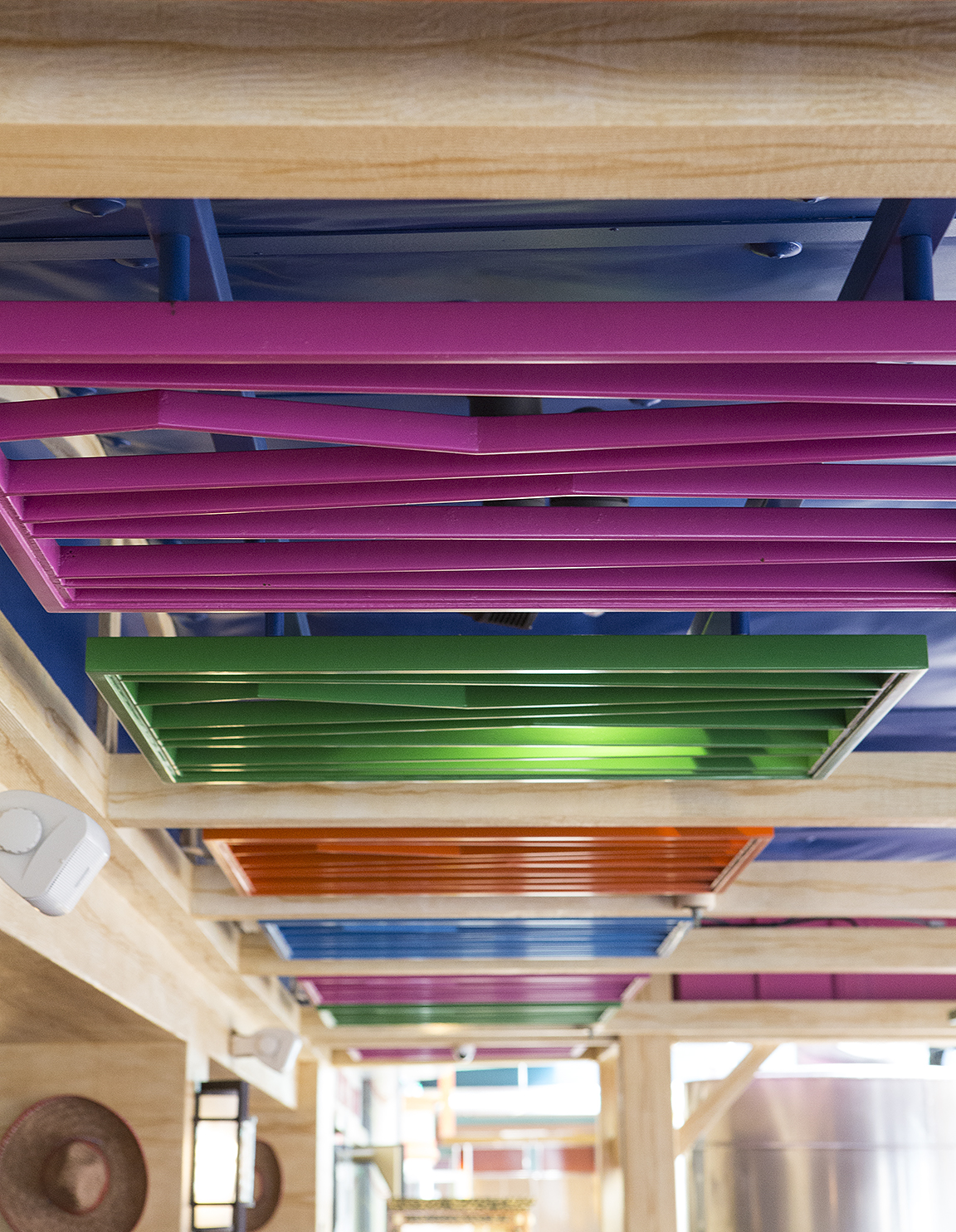
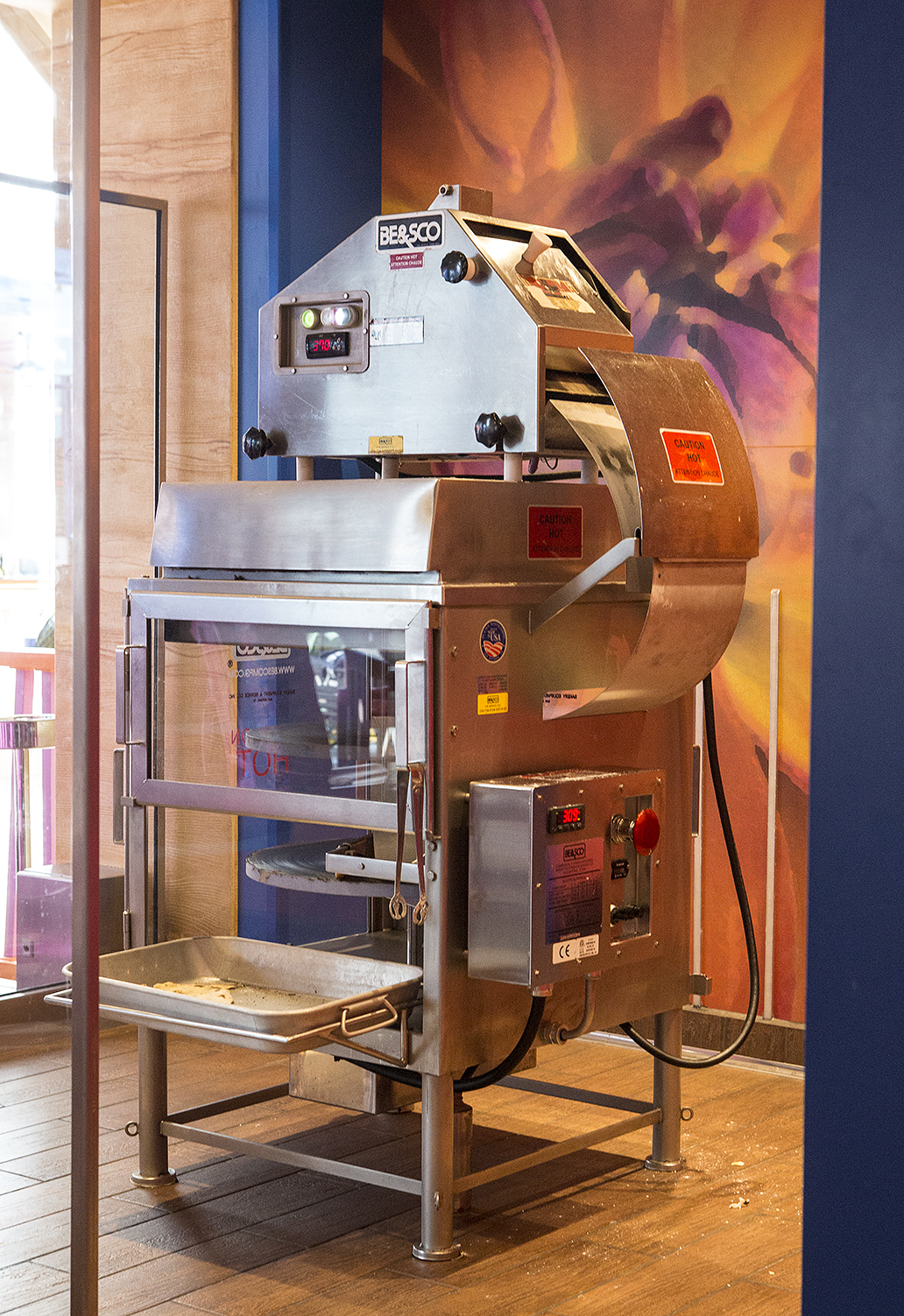
Detail photography can be underestimated, but for designers it often becomes some of the most practical imagery from the shoot. It shows materials, finishes, decorative choices, beverages, lighting moments, and smaller gestures that would otherwise get lost inside the wide views. Those images are useful in presentations, social media, design submissions, marketing decks, and long-term project archives.
For a cruise restaurant like Sabor, the details also help communicate the guest experience. The drinks, the bright color palette, the wall art, the ceiling treatments, and the small crafted elements all contribute to how the venue is remembered.



Behind the scenes on a cruise ship shoot
The behind-the-scenes moments are a reminder that images like these do not happen by accident. They come from planning, fast communication, equipment discipline, and a crew that understands how to move efficiently inside a working ship environment. Robert Soldo and the design team brought props and practical staging ideas onboard, and the production moved with the kind of speed that only comes from experience.
When time is limited, there is no room for confusion. The camera has to be ready, the tethering has to work, the lighting decisions have to come quickly, and the team has to stay coordinated. That is where years of cruise ship production work pay off.


Cruise industry photography that understands the ship
For cruise brands, designers, architects, and hospitality teams, the value of this kind of photography goes beyond a beautiful image. It is about working with someone who understands the reality of the assignment. Cruise ship projects involve active operations, guest circulation, port-day timing, security, access limitations, and the need to deliver quickly without creating friction for the ship.
That is why cruise ship interior design photography demands more than technical skill. It requires fluency in the environment. Knowing how to work while in port, how to continue a shoot at sea, how to adapt to early morning and nighttime schedules, and how to produce polished hospitality imagery under operational pressure is what makes the process effective for everyone involved.
This Sabor project aboard Allure of the Seas is a strong example of that balance: efficient production, respectful collaboration, strong designer-focused coverage, and final photographs that are useful across marketing, design documentation, publicity, and brand storytelling.